THE SPIRIT OF MAN
The invisible person who governs life beyond science
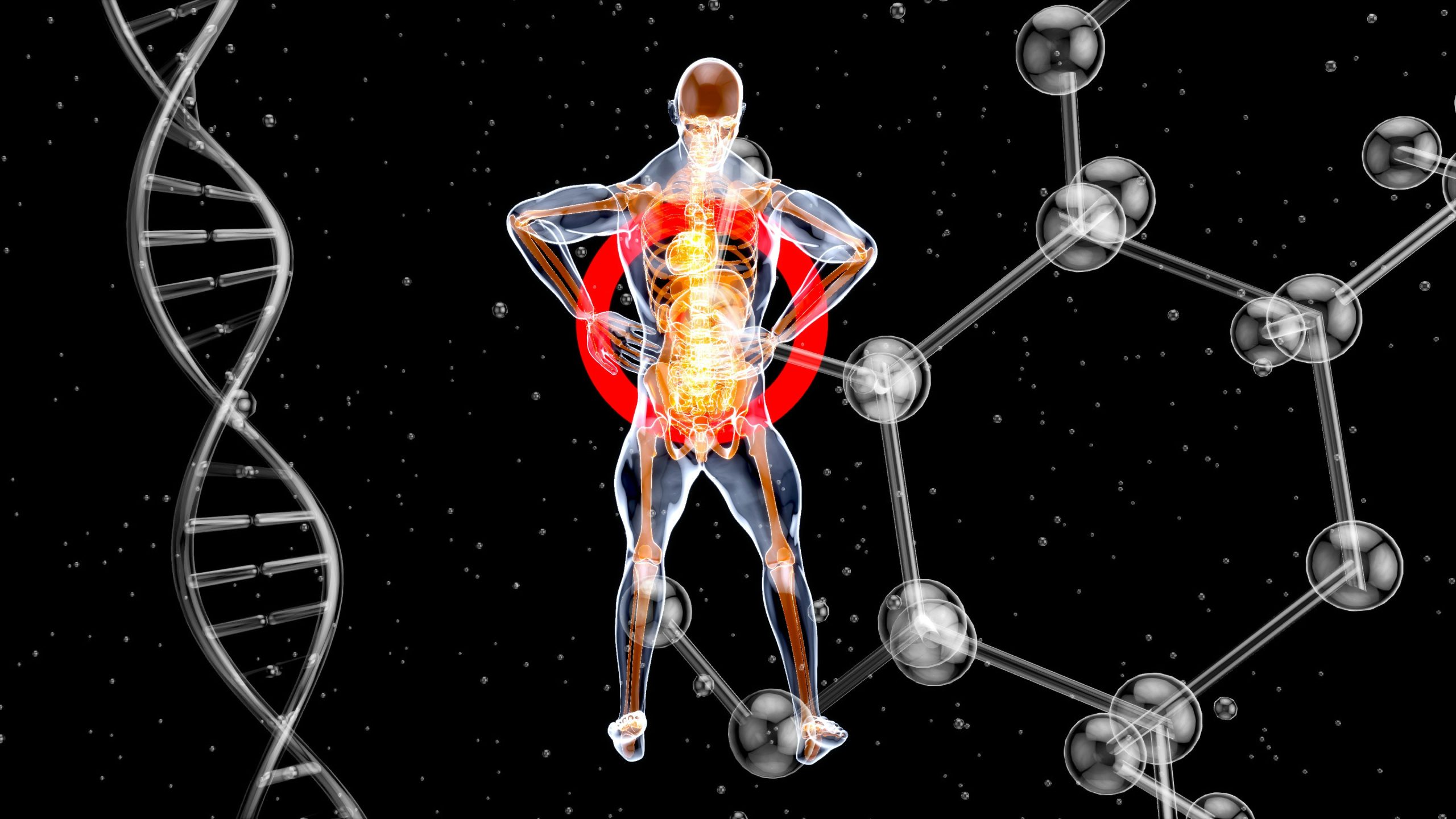
Human beings are not merely biological organisms. Beneath the visible body and measurable brain activity exists a deeper dimension, an invisible person who governs life in subtle but powerful ways. This is what the ancient archive calls the spirit of man.
Unlike the body, which can be seen, touched, and studied, the spirit operates beyond physical detection. Yet his influence is undeniable. Character, conscience, creativity, moral conviction, and the sense of purpose all emerge from this hidden core.
“The spirit of a man is the lamp of the Lord, searching all the inner depths of his being.” The kingdom library, the section of wisdom, the range of Proverbs, line 20, verse 27.
The invisible Governor within
The spirit of man functions as an internal ruler. He guides decisions, shapes perception, and influences behavior without drawing attention to himself. Like the unseen roots of a tree, it determines the quality of the visible fruit.
Many people attribute human behavior solely to psychology, environment, or biology. While these factors matter, they cannot fully explain courage in suffering, sudden moral awakening, self-sacrifice, or the deep hunger for meaning, simply because these arise from the invisible person within. Invisible governance is not weaker than visible power; it is stronger. The unseen always precedes the seen.
“The most powerful part of a human being is not what is seen, but what silently governs what is seen.”
When the spirit dies
Physical death ends bodily function, but spiritual death produces something far more dangerous: a living person disconnected from the source of life, truth, and moral restraint. When the spirit of man is darkened or dead, conscience weakens, meaning collapses, appetite replaces purpose, power becomes destructive, and intelligence loses wisdom. Such a person may appear successful outwardly yet becomes inwardly unstable. History shows that many of humanity’s greatest catastrophes were driven not by ignorance but by spiritually empty brilliance. In this sense, a spiritually dead person can become more dangerous than openly evil, because corruption now operates without inner resistance.
“When the spirit within a person goes dark, intelligence remains, power remains, but wisdom disappears, and that is when danger begins.”
The modern shift to visible power
Modern civilization increasingly trusts what can be measured, tested, and proven. Scientific knowledge has produced extraordinary advances, but it has also encouraged a worldview that dismisses realities that cannot be quantified. The result is a shift from invisible foundations to visible control, meaning power over character, information over wisdom, technique over virtue, and explanation over meaning. I believe that many aspects of life remain beyond scientific description, like Love, Beauty, Moral obligation, Inspiration, Faith, and the sense of the sacred. Facts can describe these experiences, but they cannot produce or fully explain them.

Invisible laws behind physical reality
Many of the principles that govern human flourishing are invisible. They operate like gravity: unseen but unavoidable. Consider: Trust builds relationships; betrayal destroys them, Discipline produces strength; indulgence produces weakness, and Integrity creates stability; corruption leads to collapse. These outcomes occur consistently across cultures and generations. They behave like laws, yet they are not material forces. They originate in the invisible realm of moral and spiritual order. Everything physical was created to respond to invisible realities, intention, belief, will, and character.
Why this understanding matters
When humanity ignores the spirit, solutions focus only on external conditions while internal decay continues unchecked. Technology advances, but anxiety rises. Information increases, but wisdom declines. Power expands, but peace diminishes, simply because true restoration must address the invisible person first. That is why healing addiction, corruption, violence, and despair is not merely a medical or political task; it is fundamentally spiritual. The inner government of man must be restored.

Rediscovering the invisible person
Recognizing the spirit of man reorders life. It reminds us that: Who you are within matters more than what you possess; inner health determines outer stability; character outlives circumstance; and meaning cannot be manufactured by material success. The visible life is an expression of an invisible reality.

Conclusion
Human beings are not controlled solely by genes, environment, or social forces. At the center of every person is an unseen governor, the spirit. When he is alive, aligned, and illuminated, life moves toward wholeness. When he is darkened, confusion spreads outward into families, institutions, and nations. I believe that the future of humanity does not depend only on better systems or greater knowledge, but on the restoration of the invisible person within.
“For everything physical ultimately answers to what is unseen.”
https://greatergood.berkeley.edu
Umuntu si umubiri ugaragara gusa, ahubwo afite n’igice kitagaragara aricyo umwuka w’umuntu. Uyu ni we muntu w’imbere uyobora ibitekerezo, imyitwarire, indangagaciro n’icyerekezo cy’ubuzima mu buryo bworoheje butagaragarira amaso.
Nubwo isi ibonerwa mu bipimo bya siyansi, ingaruka zawo ziragaragara mu buzima bwa buri munsi: umutimanama, ubushobozi bwo kwifata, urukundo, intego y’ubuzima, n’inyota yo kumenya ukuri. Ibi byose biva ku muntu w’imbere.
Iyo umwuka w’umuntu ucogoye cyangwa “ugapfa” mu buryo bw’umwuka, umuntu ashobora gukomeza kubaho ku mubiri ariko agatakaza umurongo ngenderwaho w’imbere. Icyo gihe ubushobozi, ubwenge cyangwa ububasha bishobora guhinduka ibyangiza, kuko bidafite umutimanama ubigenzura.
Isi ya none yibanze cyane ku bintu bigaragara no ku bisobanurwa na siyansi, maze yirengagiza ko hari amategeko n’amahame atagaragara ayobora ubuzima. Urugero ni nk’uko ukuri, ubunyangamugayo, kwifata n’urukundo bitagaragara, ariko bigena neza amahoro cyangwa gusenyuka kw’umuntu n’imiryango.
Mu by’ukuri, ibigaragara byinshi bikomoka ku bitagaragara. Kubaka ubuzima bwiza bisaba kubanza gukiza no kugarura uwo muntu w’imbere, kuko ari we uyobora ibindi byose.
Iyo umwuka w’umuntu ari muzima kandi uhamye, ubuzima bwose bugenda neza. Iyo ucitse intege cyangwa ukangirika, ingaruka zigaragara mu muryango, mu muryango mugari ndetse no mu bihugu.