
Corruption
Long before he ever tried to fix the world, a young man tried to fix a smell. It began in the corner of his childhood home after the rainy season. A basket of beautiful mangoes had been placed there, golden, fragrant, full of promise. But days later, a strange odor filled the room. Not sharp enough to alarm, not foul enough to reject. Just… wrong.
He searched for the rotten fruit. One by one, he inspected them. Most looked perfect. Smooth skin. Bright color. No visible damage. Yet the smell grew stronger. Finally, he found it, a mango that looked healthier than the rest. But when he pressed it gently, his finger sank inside. The decay had started from within. By the time the outside showed signs, the inside had already dissolved into pulp. His grandmother watched quietly and said: “Ibibora ntibibora inyuma bibanza kubora imbere. ‘What rots does not begin outside, it begins inside.’”
Years later, the young man heard leaders speak about corruption. Newspapers spoke of money, power, politics, and scandal. Experts debated systems. Activists demanded reforms. But something troubled him. The smell was familiar. Everyone was searching for rotten fruit on the outside. No one was checking the inside. Even stranger, the word corruption itself had become polished, civilized, almost respectable. It now meant only bribery, stolen funds, or political misconduct. A technical crime. A legal category. A headline. But the old word his grandmother used “kubora,” meant something far deeper.
Kubora was what happened when life left something but form remained, the slow surrender of purpose, sweetness turning sour while still looking whole and decay that spreads silently, touching everything around it. A rotten mango does not rot alone. It perfumes the air. It softens its neighbors. It invites flies. It changes the atmosphere of the entire basket. And that day, the young man understood: The crisis of the world is not simply corruption as crime. It is kubora “corruption as decay of being.”
Not just stolen money, but stolen meaning, not just broken laws, but broken nature, not just bad actions, but disintegrating truth. The most dangerous corruption is the one that still looks healthy. So before he tried to heal nations, systems, or institutions, he began with a harder question: “What if the world does not suffer from corruption… but from a deeper rot that has even corrupted the meaning of the word ‘corruption’ itself? Because when language rots, diagnosis fails. And when diagnosis fails, treatment becomes part of the disease. That is where the real story of the corruption of Kubora begins.
The nature of corruption in meaning
The ancient languages, including Hebrew, Chinese, Greek, and others, have something in common: “destruction, deterioration, decay.” For example, one of the connotations for the Hebrew word like “shâchath” means to decay, to ruin, to corrupt, to destroy, to lose, to perish. The Greek word like “phthorá” means destruction, decay, ruin, perishing, and decomposition. The Latin word “corruptio and corrumpere have two words: “cor,” meaning “with, together,” and rumpere, meaning “to break.” In the word itself, there is destruction or destructive power; in other words, corruption has been created to destroy.

The loss of the true meaning of corruption
Corruption is fearless because, before corruption destroyed systems, it first destroyed language. Words are the containers of meaning, the food of the soul. When the container cracks, truth leaks out slowly, unnoticed, until only an empty shell remains, and when the food spoils, the nutrients leak out slowly, unnoticed, until only the food remains empty. The world still uses the same vocabulary, but the substance inside has changed. Today, corruption is treated as a legal offense, a matter of bribery, stolen funds, or abuse of office. Reports measure it. Laws punish it. Institutions fight it. Yet despite all efforts, corruption spreads like an unstoppable disease.
Why?
Because what we are fighting is not the original corruption, but a reduced version of it, a symptom renamed as the whole sickness. In earlier understanding, corruption meant decay of nature, distortion of purpose, the breakdown of what was originally whole. It described fruit rotting on the inside, metal rusting, bodies decomposing, character collapsing, and truth being altered. It was not merely about what people did, but about what things were becoming. Over time, the deeper meaning faded. What was once understood as internal decay became redefined as external misconduct. The invisible rot was replaced by visible crimes. As long as no law was broken, no corruption was assumed, even if the soul, the culture, or the foundations were disintegrating.
This loss of meaning created a dangerous illusion: that a society can be healthy as long as it appears orderly. But a structure can stand while its beams are eaten by termites. A fruit can shine while its core dissolves. A civilization can progress technologically while decaying morally and spiritually. When language loses depth, diagnosis fails. And when diagnosis fails, solutions target the surface while the disease advances underneath. This is the crisis of our time: not only corruption, but the corruption of the concept of corruption itself. The ancient sense of decay, what some cultures still call kubora, has been forgotten. Yet the reality remains. Things still rot from within. Purpose still erodes. Integrity still dissolves. Life still departs before form collapses. And so the world keeps trying to repair appearances while ignoring the deeper process of disintegration that precedes every visible fall. To recover the future, humanity must first recover the meaning of what it has lost
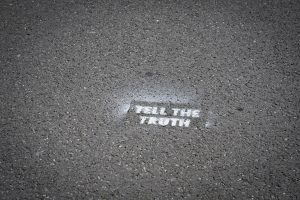
The truth to the world
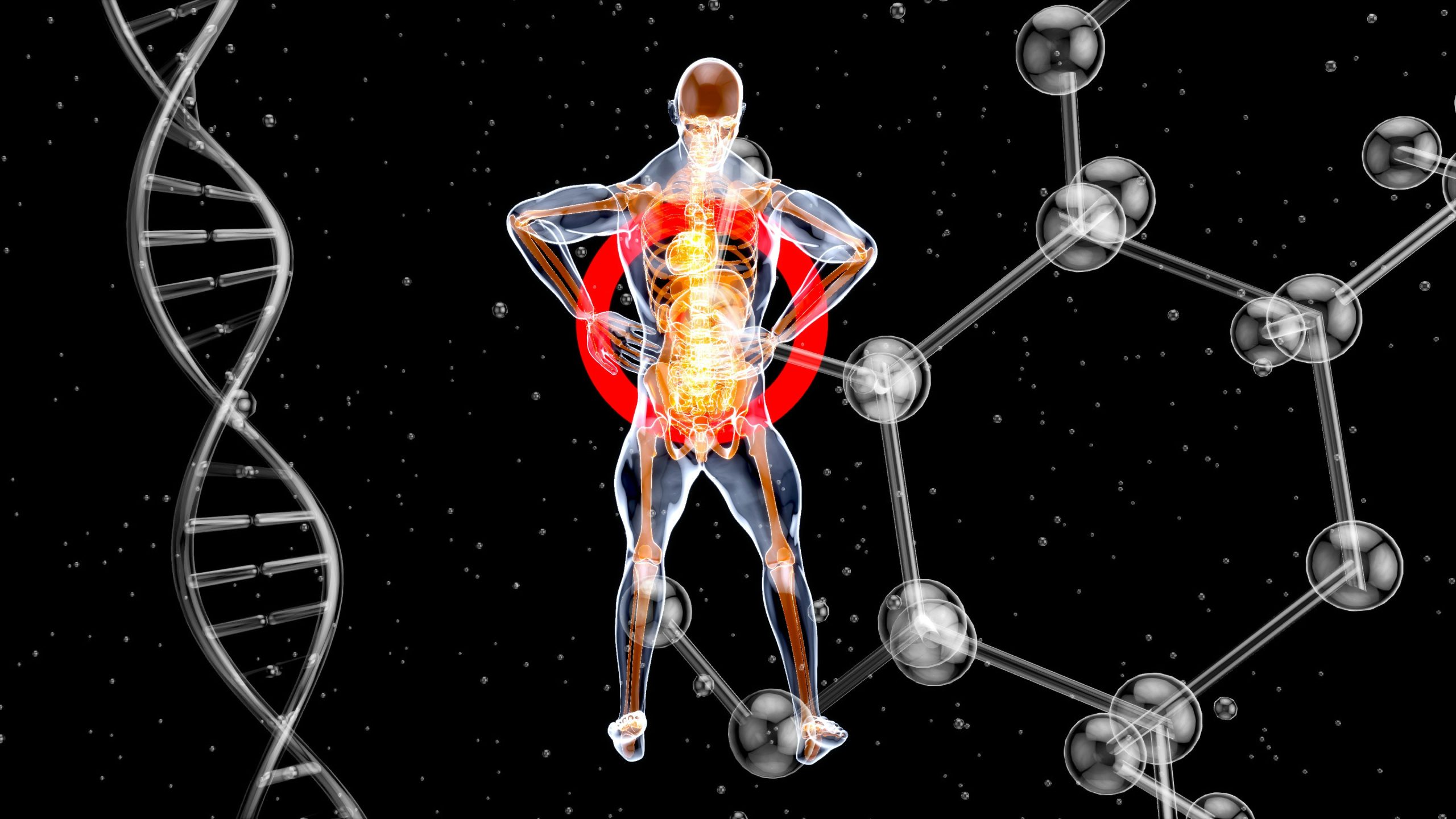
For generations, humanity has treated corruption as a political problem, a legal issue, or an economic malfunction. Governments create policies, institutions design regulations, and activists demand reforms. Yet despite these efforts, corruption persists, adapts, and spreads like an illness that never truly leaves the body. This is because corruption is not merely a failure of systems; it is a failure of health. A healthy body rejects disease. A healthy mind resists deception. A healthy conscience cannot comfortably sustain injustice. When corruption becomes normal, it signals not simply bad leadership, but weakened moral, spiritual, and social immunity. Just as cancer does not begin on the skin but in hidden cells, corruption begins in unseen places in desires, fears, wounds, addictions, and distorted values. By the time it appears in public office or financial scandals, it has already matured within the culture that produced it.
Laws can restrain behavior, but they cannot heal the inner decay that generates it. Punishment can remove individuals, but it cannot cure the condition that replaces them with others just like them. Without treatment, the disease returns, sometimes stronger, sometimes more sophisticated. If corruption is a sickness of the human condition, then the solution must be therapeutic, not merely punitive. It requires restoration of integrity, renewal of purpose, healing of identity, and rebuilding of the inner life from which actions flow.
The future of nations will not be secured only by stronger institutions, but by healthier people. Not only by transparency, but by transformation. Not only by enforcement, but by restoration. Until humanity recognizes corruption as a health crisis of the soul and society, what some cultures describe as kubora, a deep internal decay, it will continue to treat symptoms while the disease advances.
The question before us is no longer simply how to control corruption, but how to heal what is producing it. Because what is sick must be treated, not merely condemned. And what is treated can recover, and what recovers can live again.
The creator understands how to heal it, that is why he cannot condemn but restore and renew, helping people to come to health life. I believe that is why the ancient master, Jesus, said, “It is not the healthy who need a doctor, but the sick. I have not come to call the righteous, but sinners.” The kingdom library, the section of gospels, the range of Mark, line 2, and verses 17.
📝 INCAMAKE
Iyi nkuru igaragaza ko ikibazo cy’isi kitari ruswa nk’ikorwa rya politiki cyangwa ry’amategeko gusa, ahubwo ari kubora “iyangirika ritangirira imbere rikagenda rigaragara inyuma. Inkuru itangirira ku gasozi k’imbuto zari zisa neza inyuma ariko zaraboze imbere, igaragaza ko n’ibibazo by’abantu n’ibihugu bitangirira mu mutima, mu mico, no mu ndangagaciro mbere yo kugaragara mu bikorwa.
Mu bihe bya kera, amagambo asobanura ruswa mu ndimi zitandukanye yasobanuraga gusenyuka, kwangirika, no kubora. Ariko uko igihe cyagiye gihita, iryo jambo ryagatakaje ubusobanuro, risigara risobanura gusa gutanga ruswa, kunyereza umutungo, cyangwa amakosa ya politiki. Ibi byatumye isi irwanya ibimenyetso byo hejuru aho kuvura indwara iri mu mizi.
Iyo ibisobanuro by’amagambo byangiritse, no gusuzuma ikibazo birananirana, bityo ibisubizo bikibanda ku bigaragara gusa mu gihe iyangirika rikomeza imbere. Sosiyete ishobora kugaragara itunganijwe ariko iri kubora mu ndangagaciro, mu kuri, no mu buzima bw’umwuka.
Iyi nyandiko isoza ivuga ko ruswa ari ikibazo cy’ubuzima bw’umuntu n’umuryango, gikeneye kuvurwa aho guhanwa gusa. Amategeko ashobora kugabanya imyitwarire mibi, ariko ntashobora gukiza umutima wangiritse. Gukira bisaba gusubiza umuntu ku ndangagaciro nzima, kuvugurura intego, no gukiza ibikomere byo mu mutima. Icyizere ni uko ikirwaye iyo kivuwe gishobora kongera kubaho neza.